Landscape Fundamentals: Is Your Garden Attracting Mosquitoes?
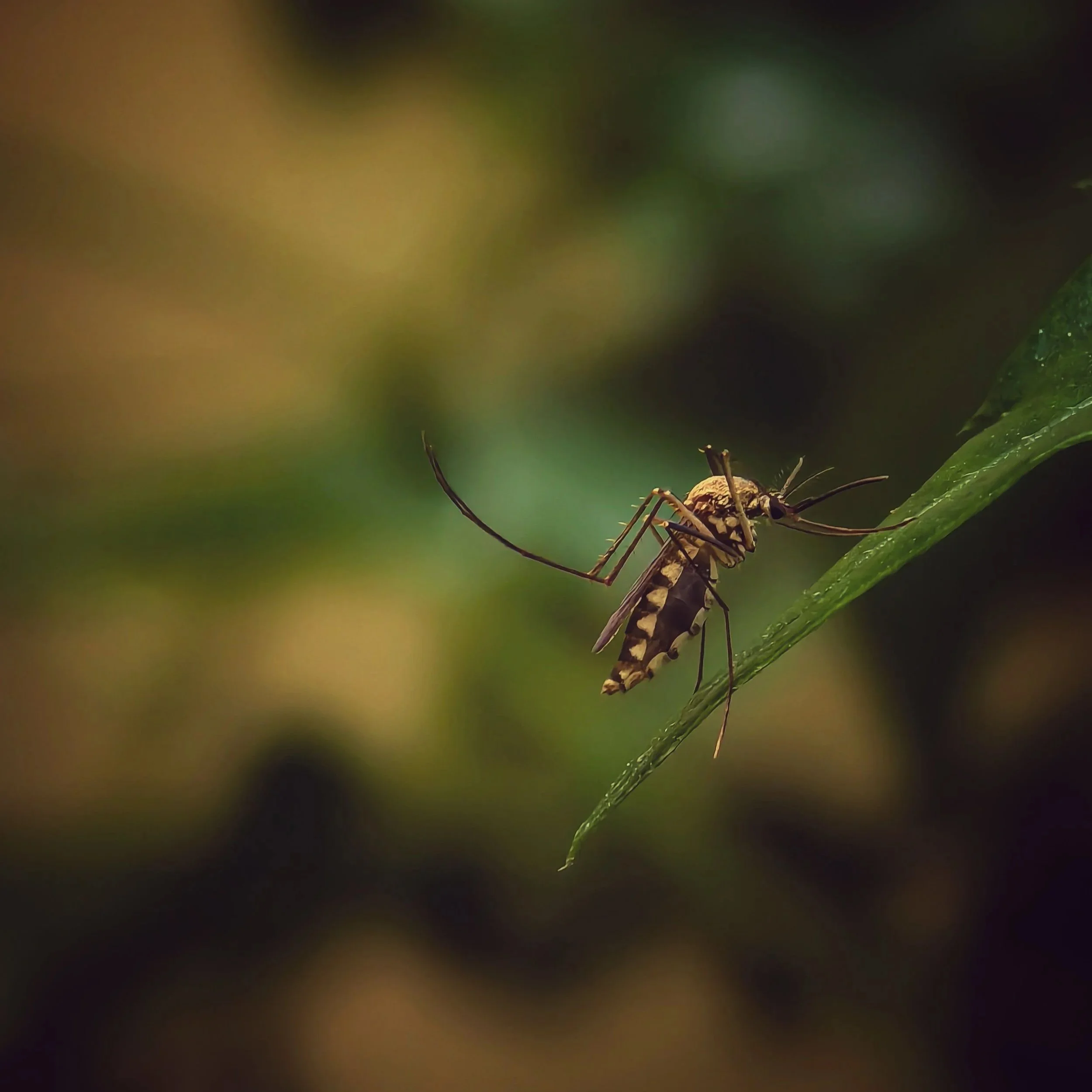
How Your Landscape Could Be Increasing the Risk of Dengue Around Your Home
A beautiful garden should be a place to relax—not a breeding ground for mosquitoes.
In the Philippines, mosquitoes are more than just a nuisance. Species such as Aedes aegypti and Aedes albopictus are known vectors of dengue, chikungunya, and Zika viruses. These mosquitoes thrive in urban and residential environments where small amounts of standing water are readily available (Department of Health [DOH], n.d.; World Health Organization [WHO], 2024).
Many homeowners assume mosquitoes only breed in canals or vacant lots. In reality, your own garden may unknowingly provide the ideal conditions for mosquito breeding.
A beautiful garden should be a place to relax—not a breeding ground for mosquitoes.
In the Philippines, mosquitoes are more than just a nuisance. Species such as Aedes aegypti and Aedes albopictus are known vectors of dengue, chikungunya, and Zika viruses. These mosquitoes thrive in urban and residential environments where small amounts of standing water are readily available (Department of Health [DOH], n.d.; World Health Organization [WHO], 2024).
Many homeowners assume mosquitoes only breed in canals or vacant lots. In reality, your own garden may unknowingly provide the ideal conditions for mosquito breeding.
Common Places Mosquitoes Breed in Residential Gardens
Mosquitoes require only a small amount of clean, stagnant water to lay their eggs. Around homes, common breeding sites include:
Plant saucers that hold water after watering
Plant saucers that hold water after watering
Clogged roof gutters
Buckets, pots, and unused containers
Blocked drainage channels
Ornamental water features without circulation
Tree holes that collect rainwater
Discarded tires and plastic containers
Low areas where water pools after rainfall
The Aedes mosquito can complete its life cycle in as little as 7–10 days under favorable conditions, making regular inspection and maintenance essential (WHO, 2024).
Can Landscaping Help Reduce Mosquitoes?
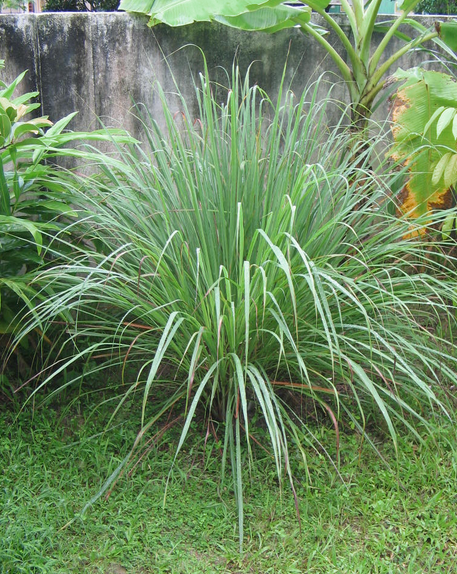
Native Lemon Grass
Yes—but not by simply spraying insecticides.
A well-maintained landscape reduces mosquito breeding opportunities by improving drainage, eliminating standing water, increasing sunlight and air circulation, and keeping vegetation healthy.
Simple improvements such as cleaning gutters, trimming overgrown shrubs, correcting drainage problems, and removing unnecessary containers can significantly reduce mosquito habitat around your home.
Some plants can help in deterring mosquitoes, one of which is the Native Lemon Grass (Cymbopogon tortilis). This native grass can be integrated into landscapes strategically placed near potential sources of mosquitoes or as a row of deterrents.
The Neem tree (Azadirachta indica) is widely recognized for its ability to repel mosquitoes and serve as a source of natural insecticides. Naturalized in the Philippines, this tree not only acts as a powerful deterrent but also features lush foliage, making it an excellent choice for adding depth and density to your softscape design.
A Healthy Garden Is a Safer Garden
Good landscape maintenance benefits more than just the appearance of your property.
Properly maintained landscapes can:
Reduce standing water
Improve drainage
Increase airflow
Minimize hiding places for mosquitoes
Support healthier plants
Create more enjoyable outdoor spaces
Small improvements made today can contribute to a healthier environment for your family tomorrow.
Is Your Garden Due for an Assessment?
If your garden frequently collects standing water or has become difficult to maintain, it may be time for a professional evaluation.
At Native Ground, we help homeowners throughout Metro Manila, Laguna, Cavite, and Batangas identify landscape issues that affect both the beauty and functionality of their outdoor spaces.
Through proper landscape planning and maintenance, many mosquito-friendly conditions can be corrected before they become larger problems.
Book a landscape assessment today and let us help you create a healthier, more enjoyable garden for your family.
References
Department of Health. (n.d.). National Dengue Prevention and Control Program.
World Health Organization. (2024). Dengue and Severe Dengue.https://www.who.int/news-room/fact-sheets/detail/dengue-and-severe-dengue
Centers for Disease Control and Prevention. (2024). Prevent Mosquito Bites. https://www.cdc.gov/mosquito
Create a Mosquito-Free Sanctuary
Imagine stepping into your garden in peace—without the constant buzzing of mosquitoes or worrying about dengue.
At Native Ground, we help transform mosquito-prone yards into safe, healthy outdoor retreats. From correcting standing water and improving drainage to integrating natural deterrents like Native Lemon Grass and Neem, we tailor every landscape to eliminate breeding risks.
Keep dengue away and take back your yard with a garden where safety and beauty come together.
Book your landscape assessment with Native Ground today.