Keep, Monitor, Prune, or Remove? Start With Better Information.
At some point, most property owners face a decision about an existing tree. Maybe it's grown larger than expected. Maybe it's showing some age. Maybe a neighbor mentioned a concern, or a contractor flagged it during a renovation quote.
The instinct in these moments is often to jump straight to one option: remove it. Removal feels like the "safe" choice — no more tree, no more concern. But removal is only one of several possible responses, and it's not always the right one, or even the most cost-effective one.
A better starting point is understanding the tree well enough to know which of four responses actually fits: keep, monitor, prune, or remove.
Why "Just Remove It" Isn't a Default
Removal is sometimes necessary. But treating it as the automatic first option skips a step that usually matters: understanding why the tree is a concern in the first place.
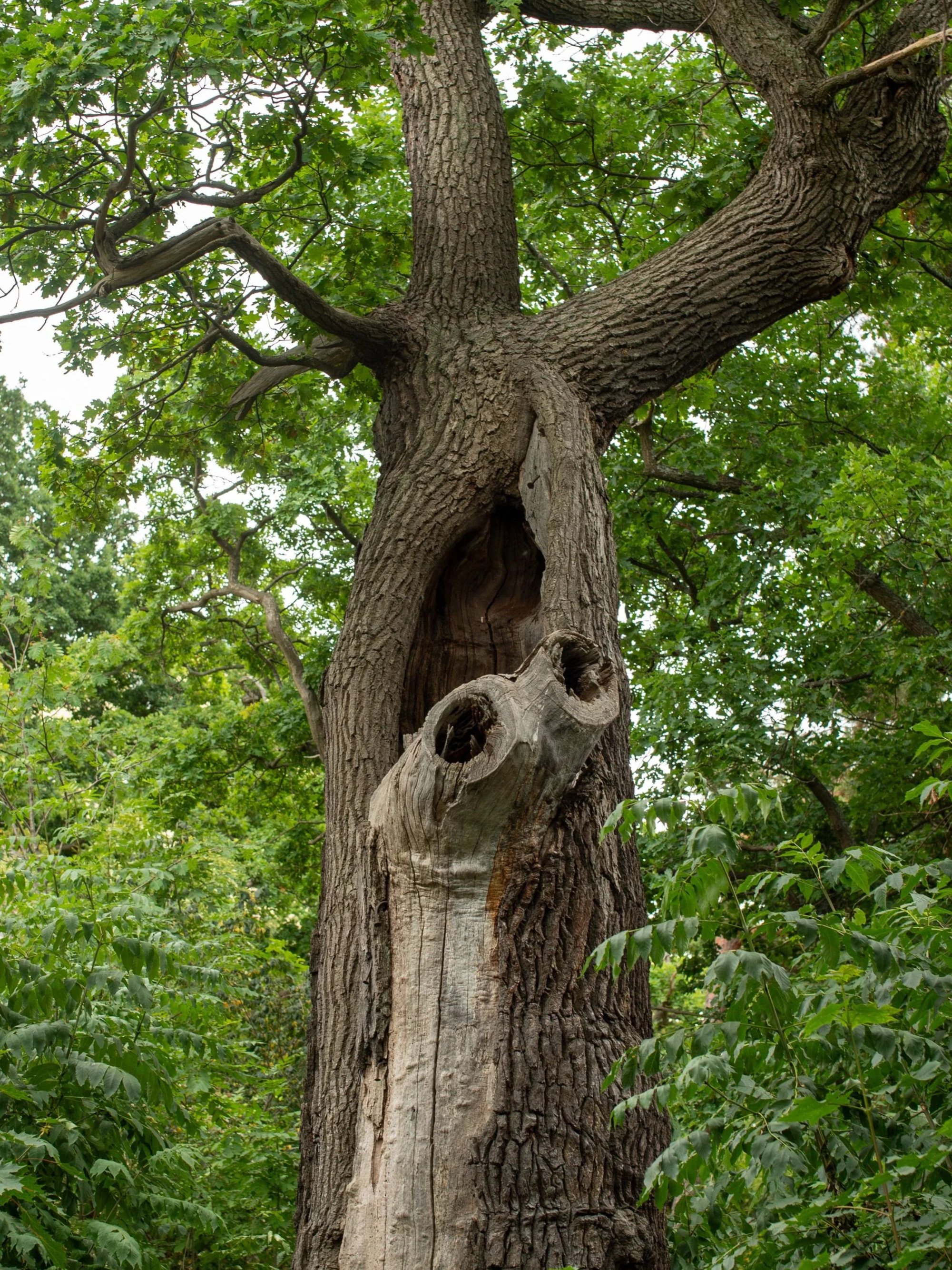
A tree that's simply large isn't automatically a hazard. A tree that's dropping some branches isn't automatically dying. A tree that's leaning slightly isn't automatically about to fall. Each of these situations could resolve with monitoring or targeted pruning — or could genuinely warrant removal. The only way to know which is to actually evaluate the tree.
Removal also isn't free of consequences. Mature trees take decades to establish, and their loss can affect shade, privacy, drainage, and property value — beyond the direct cost of the removal itself.
Option 1: Keep
Monitoring is appropriate when a tree shows a minor or early-stage issue that isn't yet significant enough to require action, but is worth tracking over time.
This might include:
A small area of dead wood that isn't yet affecting the tree's overall structure
Minor lean that has been consistent and isn't worsening
Early signs of stress that could resolve with a change in watering or soil conditions
A condition that needs to be reassessed after the next growing season or storm event
Monitoring isn't the same as ignoring. It typically comes with a specific plan — what to watch for, and when to check again.
Option 2: Monitor
Before planting new trees, it is useful to understand the trees that already exist.
A tree inventory or canopy assessment can help identify:
Existing tree locations
Areas with limited shade
Mature trees worth protecting
Potential planting opportunities
Possible conflicts with infrastructure
Better information leads to better tree management decisions.
Option 3: Prune
Pruning addresses a defined, identifiable issue without requiring the tree's removal. Depending on what's found during assessment, this could mean:
Removing dead, damaged, or diseased branches
Correcting structural issues in a young or maturing tree
Reducing weight on an overextended limb
Improving clearance from a structure, roofline, or utility line
Addressing crossing or rubbing branches that could develop into larger wounds
Pruning is most effective when it's targeted at a specific objective, rather than a general "trim it back" request. Over-pruning creates its own problems — excessive removal of live canopy stresses the tree and can make future issues more likely, not less.
Option 4: Remove
Removal is warranted when a tree's condition presents a risk that can't be reasonably addressed through pruning or monitoring — for example, extensive internal decay, a compromised root system, severe structural failure, or a location and condition combination where the potential consequences of failure are too high to accept.
When removal is the right call, an assessment also helps confirm that it actually is the right call, which matters both for peace of mind and, in some areas, for permit or regulatory requirements around tree removal.
What Determines Which Option Fits
The right response depends on:
The tree's species and typical growth habits
Its current structural and health condition
Its location relative to structures, people, and infrastructure
The likely consequence if a failure did occur
Whether an identified issue is stable, improving, or worsening
Any regulatory considerations tied to removal or heavy pruning
None of these can be reliably judged from a quick visual scan, which is why the same tree can look identical to two different observers and receive very different recommendations depending on what's actually happening structurally.
Start With the Assessment, Not the Decision
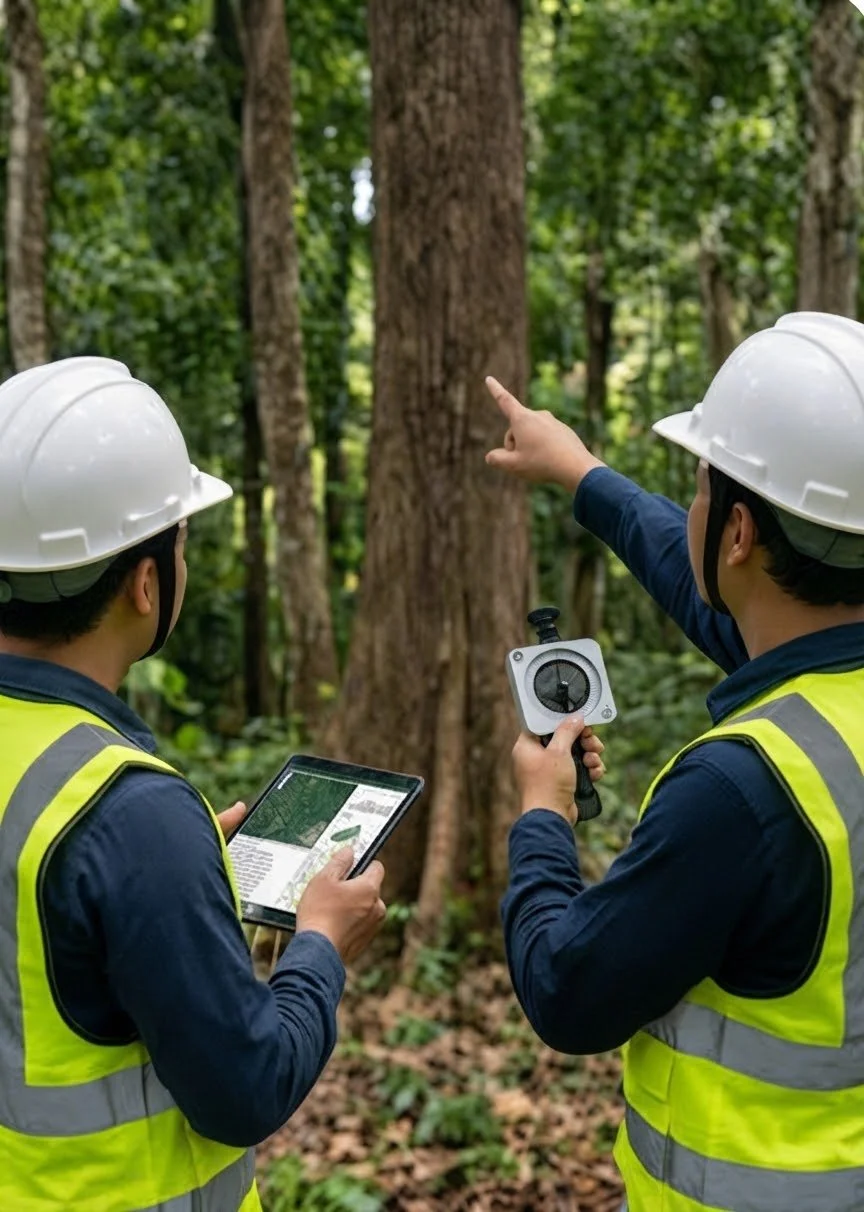
The most common mistake in managing existing trees isn't choosing the wrong option — it's choosing an option before actually knowing enough to choose correctly.A proper assessment doesn't just point you toward keep, monitor, prune, or remove; it gives you the reasoning behind the recommendation, so the decision is based on the tree's actual condition rather than a guess made under uncertainty.
Talk to Native Ground about your trees.
At Native Ground, we help property owners across Metro Manila, Laguna, Cavite, and Batangas move from uncertainty to a clear, informed plan for the trees already on their property — whether that plan is to keep, monitor, prune, or remove.
Contact Native Ground to schedule a tree management consultation.
Keep, Monitor, Prune, or Remove? Start With Better Information
Making the right call for your trees doesn't have to be a guessing game. Native Ground's experts will evaluate your yard and give you the clear data you need to decide whether to keep, monitor, prune, or remove with complete confidence. Protect your landscape and make smarter choices for your property's future. Would you like to schedule an expert evaluation for a specific tree on your property?