Why Is Your Neighborhood So Hot? The Answer Is in the Tree Canopy
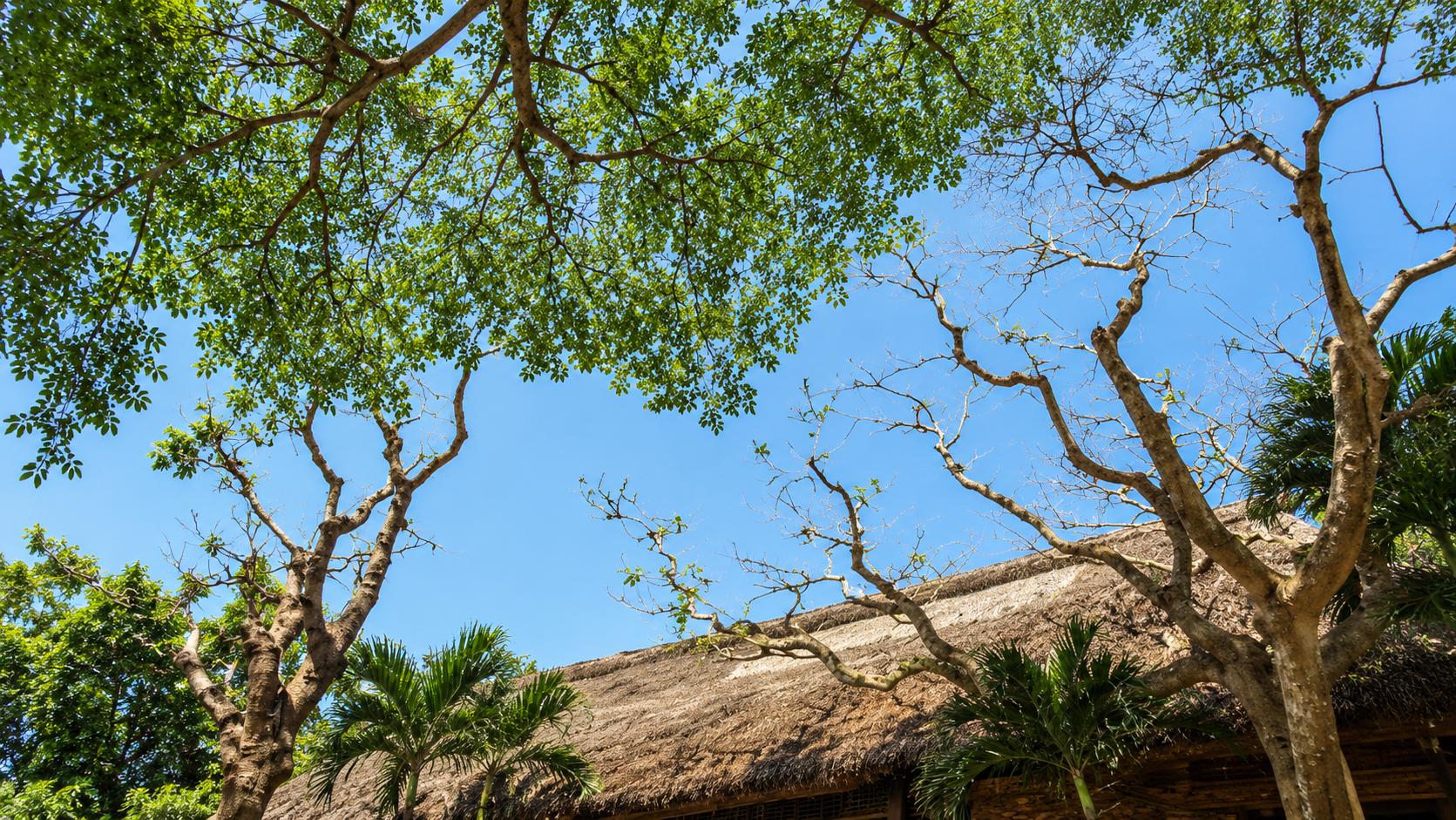
If Your Neighborhood Feels Hotter, Look Up
Have you ever noticed that some streets feel much cooler than others?
One road may be lined with mature trees that provide shade, while another is surrounded by concrete, asphalt, and buildings with very little vegetation.
One important part of the answer is right above you: the tree canopy.
Tree canopy refers to the layer of leaves and branches that covers an area when viewed from above. Trees help cool neighborhoods by providing shade and through a natural process called evapotranspiration, where water released from leaves contributes to cooling.
In urban areas, this is important because concrete, roads, roofs, and pavements absorb and store heat. Areas with limited vegetation often feel hotter than places with more trees and green spaces.
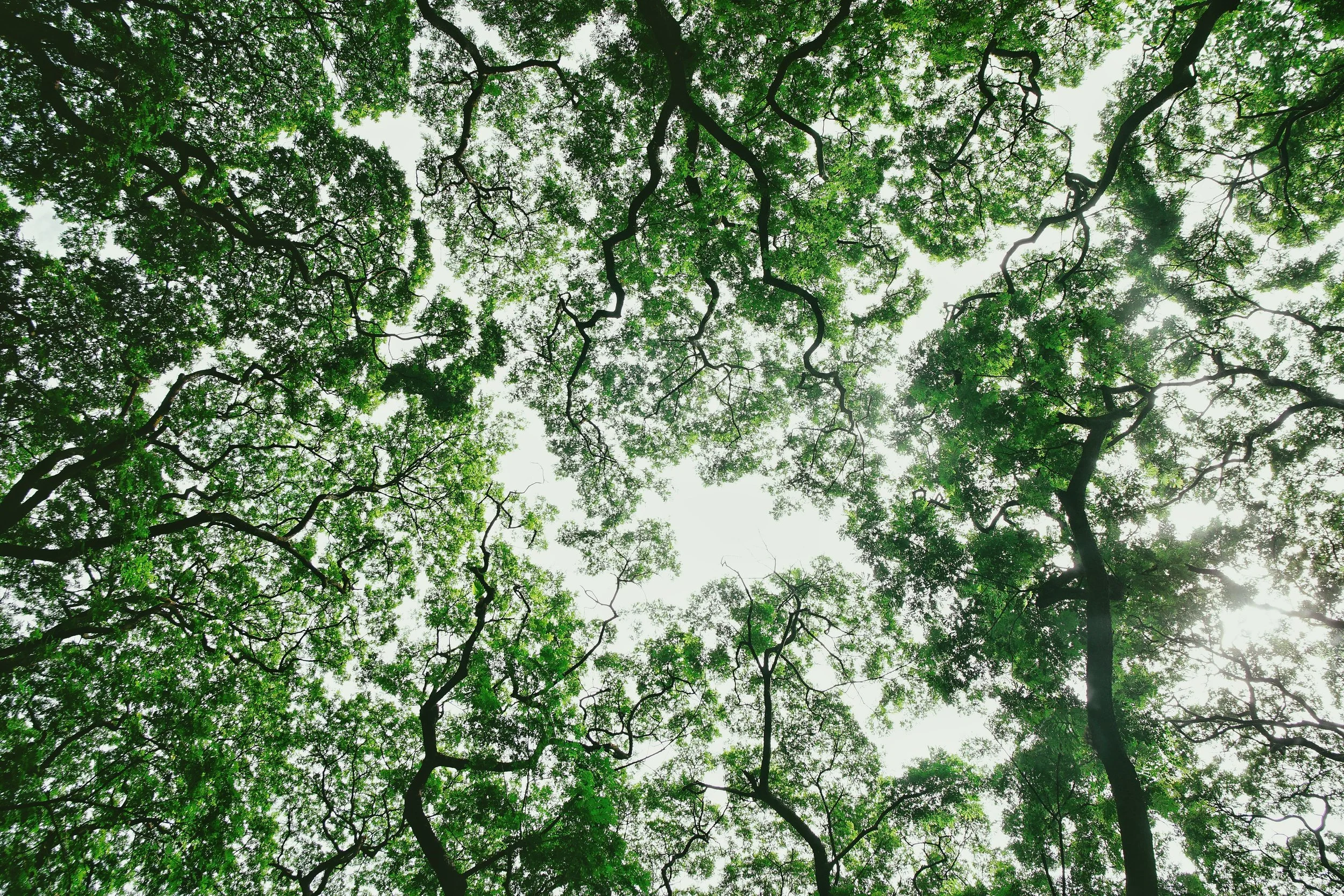
Why Tree Canopy Matters
Tree canopy is not simply about how many trees a neighbourhood has.
A community with many small trees may still have less shade than one with fewer but larger, mature trees.
A healthy tree canopy can provide:
Shade for streets and sidewalks
Cooler outdoor spaces
Reduced heat on buildings and paved surfaces
Better walking environments
Improved visual character
Habitat for birds and wildlife
This is why protecting mature trees can be just as important as planting new ones.
A newly planted tree is an investment in the future.
A mature tree already provides benefits today.
Why This Matters in the Philippines
There is no single month that is best for every tree in the Philippines.
For routine pruning, relatively dry and stable weather can provide more favorable working conditions. Dry conditions can make access to the tree safer and reduce some of the difficulties associated with wet ground, rain, and slippery surfaces.
However, the ideal timing can vary depending on:
Tree species
Tree age
Tree health
Type of pruning required
Flowering and fruiting cycles
Recent weather conditions
Pest or disease concerns
Location of the tree
Nearby buildings and infrastructure
For example, a young landscape tree may require structural pruning, while a mature fruit tree may need pruning based on its flowering and fruiting cycle.
This is why tree assessment should come before choosing a pruning date.
How Can You Understand Your Existing Tree Canopy?
Before planting new trees, it is useful to understand the trees that already exist.
A tree inventory or canopy assessment can help identify:
Existing tree locations
Areas with limited shade
Mature trees worth protecting
Potential planting opportunities
Possible conflicts with infrastructure
Better information leads to better tree management decisions.
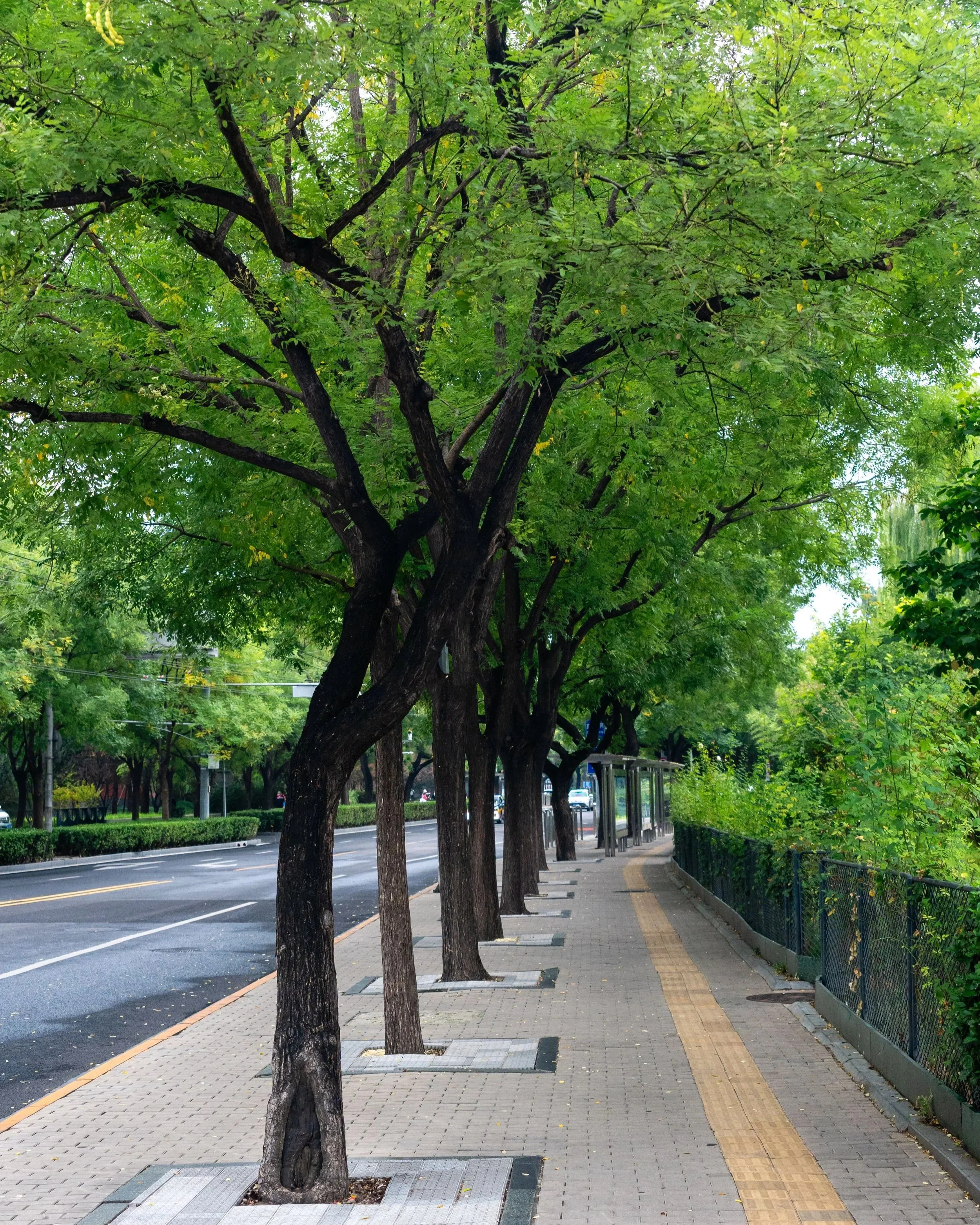
Creating Cooler Communities Starts With Trees
If your neighbourhood has extensive pavement and very little shade, limited tree canopy may be one factor contributing to hotter outdoor conditions.
At Native Ground, we help property owners throughout Metro Manila, Laguna, Cavite, and Batangas understand and manage their landscapes through professional tree assessment, inventory, mapping, and urban forestry services.
Creating cooler communities is not simply about planting more trees.
It starts with understanding the trees we already have and planning for the trees we need next.
Look around your neighborhood. How much of it is covered by trees?
Reference
U.S. Environmental Protection Agency. Heat Island Effect.
U.S. Department of Agriculture Forest Service. Urban Forests and Urban Heat.
International Society of Arboriculture. Urban Forestry and Tree Benefits Resources.
University of the Philippines Los Baños. Research on street trees and microclimate in Los Baños and Bay, Laguna.
Is Your Tree Canopy Cooling Your Community?
Every property plays a role in the overall temperature of your neighborhood. Native Ground's experts will evaluate your space and create a customized plan for planting and maintaining trees that offer maximum shade and heat-busting benefits. Invest in your land and your community's well-being.