Understanding Sanitary Landfills: Why Proper Waste Disposal Protects People and the Environment
Lessons from Recent Discussions on Waste Management in the Philippines
Recent environmental issues reported in the Philippines have renewed public interest in how waste disposal facilities should be planned, managed, and monitored. Whether discussing local concerns, environmental compliance, or land rehabilitation, these events remind us of an important fact: not all landfills are created equal.
Many people use the terms landfill, dumpsite, and open dump interchangeably. However, these facilities differ significantly in design, environmental impact, and legal compliance. Understanding these differences is essential for protecting ecosystems, safeguarding public health, and promoting sustainable land management.
What Is a Sanitary Landfill?
A sanitary landfill is a carefully engineered waste disposal facility designed to isolate solid waste from the surrounding environment while minimizing pollution and protecting public health. Unlike open dumpsites, sanitary landfills are built using engineering principles that control contamination throughout the facility's operational life and even after its closure (Republic Act No. 9003, 2000).
A properly designed sanitary landfill is not simply a location where waste is deposited. It is an integrated environmental management system that includes site planning, environmental monitoring, waste containment, leachate management, gas collection, drainage control, and post-closure rehabilitation.
Open Dumpsites vs. Sanitary Landfills
One of the most common misconceptions is that all waste disposal facilities function the same way.
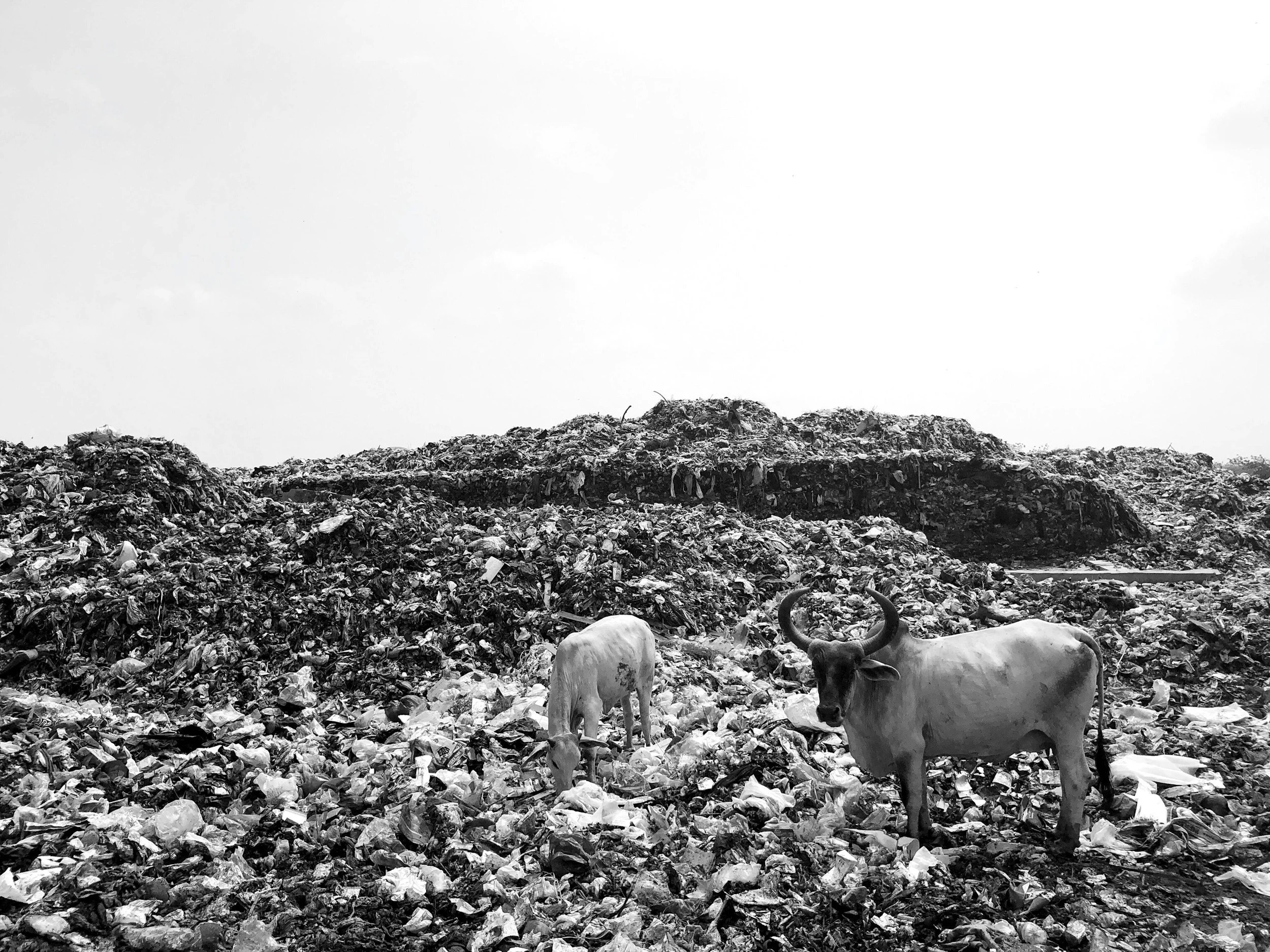
An open dumpsite is an area where waste is deposited without engineering controls. These sites typically lack liners, leachate collection systems, gas management infrastructure, environmental monitoring, and proper daily cover. As a result, they often contribute to groundwater contamination, foul odors, pest infestations, methane emissions, and uncontrolled pollution.
In contrast, a sanitary landfill incorporates multiple protective systems designed to reduce environmental impacts while complying with environmental regulations.
Republic Act No. 9003 specifically mandates the closure of open dumpsites and promotes the development of sanitary landfills as part of the country's Ecological Solid Waste Management Program (Official Gazette, 2000).
The Science Behind a Sanitary Landfill
1. Site Selection
Selecting an appropriate location is one of the most important decisions in landfill development.
Environmental specialists evaluate factors such as:
Geological stability
Groundwater depth
Soil characteristics
Flood susceptibility
Distance from rivers and lakes
Existing vegetation
Biodiversity
Nearby communities
Protected areas
Indigenous Peoples' ancestral domains
Poor site selection increases environmental risks regardless of how well the landfill is engineered.
2. Bottom Liner System
Modern sanitary landfills use multiple layers of impermeable materials, including compacted clay and synthetic geomembranes, to prevent contaminated liquids from reaching groundwater.
This liner acts as the primary environmental barrier between waste and surrounding ecosystems.
3. Leachate Collection
One of the greatest environmental concerns associated with waste disposal is leachate.
Leachate is the liquid produced when rainwater passes through waste materials, dissolving organic matter, nutrients, heavy metals, pathogens, and other contaminants.
Without proper collection and treatment, leachate may contaminate:
Rivers
Streams
Groundwater
Agricultural soils
Drinking water sources
Properly engineered landfills include drainage pipes and collection ponds where leachate is treated before discharge in accordance with environmental regulations.
4. Landfill Gas Management
As organic waste decomposes, microorganisms produce gases—primarily methane and carbon dioxide.
Methane is a potent greenhouse gas and may become hazardous if allowed to accumulate.
Modern sanitary landfills install gas collection systems that safely vent, flare, or even recover methane as an energy source.
5. Daily Soil Cover
At the end of each operating day, waste is covered with soil or approved alternative materials.
This simple practice helps:
Reduce odors
Prevent windblown litter
Minimize pests
Lower fire risks
Reduce disease vectors
6. Environmental Monitoring
Environmental protection does not end once waste is deposited.
Landfill operators routinely monitor:
Groundwater quality
Surface water quality
Air quality
Methane emissions
Settlement of waste
Vegetation health
Slope stability
Monitoring often continues for decades after landfill closure.
Why Forests and Watersheds Require Special Protection
Forests provide essential ecosystem services that extend far beyond timber production.
Healthy forests:
Protect watersheds
Reduce flooding
Prevent soil erosion
Store atmospheric carbon
Support biodiversity
Improve air quality
Regulate local climate
Improper waste disposal within or near these sensitive environments may lead to habitat degradation, contamination of freshwater systems, loss of biodiversity, and long-term ecological damage.
Because of these ecological functions, environmental planning gives special consideration to forests, protected areas, and other environmentally sensitive landscapes.
The Importance of Environmental Planning
Waste management is not solely an engineering challenge.
It also requires careful environmental planning that balances ecological protection, community welfare, public health, land use, and long-term sustainability.
Environmental impact assessments, biodiversity evaluations, hydrological studies, and stakeholder consultations all contribute to informed decision-making before waste management facilities are developed.
These assessments help identify potential risks and recommend measures to avoid, minimize, or mitigate environmental impacts.
Looking Beyond Waste Disposal
Responsible waste management extends beyond landfill design.
It begins with reducing waste generation, improving segregation, increasing recycling and composting, supporting the circular economy, and minimizing the volume of waste requiring final disposal.
Landfills should be considered the last option in an integrated solid waste management system—not the first.
Our Perspective at Native Ground
At Native Ground, we believe that responsible land management begins with understanding how natural systems function.
Whether planning landscapes, conducting forestry assessments, restoring degraded ecosystems, or supporting environmental management initiatives, every decision should prioritize long-term ecological health alongside practical human needs.
Protecting forests, watersheds, biodiversity, and communities requires more than compliance—it requires science, stewardship, and thoughtful planning.
When we work with nature rather than against it, we create landscapes and environments that remain resilient for generations.
References
Department of Environment and Natural Resources. (2021). DENR shuts down LGU-run open dumpsite in Pampanga for violation of Republic Act No. 9003.
Department of Environment and Natural Resources – Environmental Management Bureau. (2018). National Solid Waste Management Status Report.
Official Gazette of the Republic of the Philippines. (2000). Republic Act No. 9003: Ecological Solid Waste Management Act of 2000.
United Nations Environment Programme. (2015). Global Waste Management Outlook.
World Bank. (2018). What a Waste 2.0: A Global Snapshot of Solid Waste Management to 2050.