When Should You Prune Trees in the Philippines?
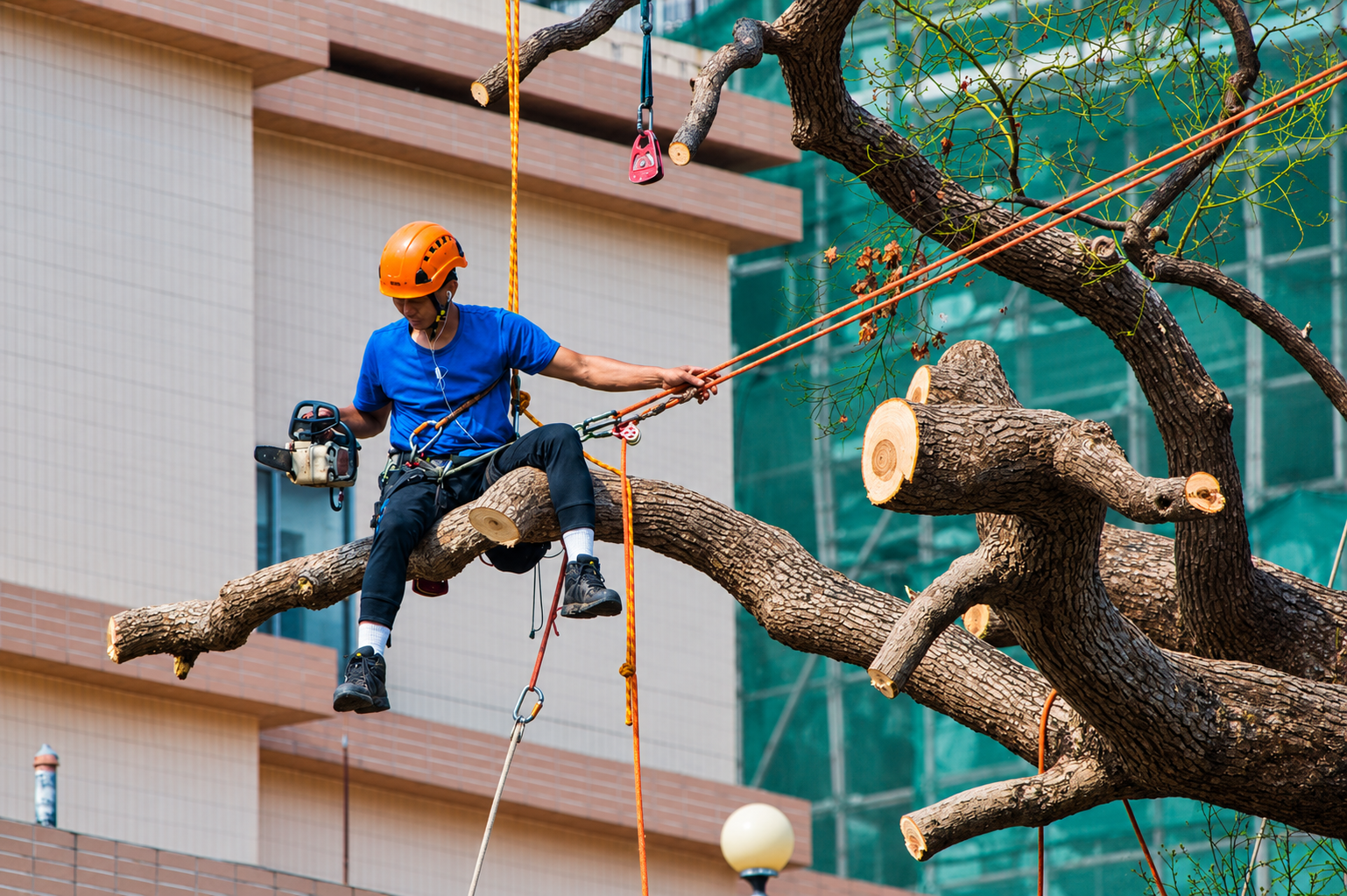
Timing Matters: When Should You Prune Trees in the Philippines?
Trees in the Philippines grow in a warm, tropical environment where many species can remain active throughout much of the year. This means tree pruning does not follow the same seasonal rules used in countries with cold winters.
So, when is the best time to prune a tree in the Philippines?
The answer depends on several factors, including the tree species, its age and condition, the reason for pruning, flowering or fruiting cycles, weather conditions, and the location of the tree.
For routine maintenance, pruning is often easier to plan during periods of relatively dry and stable weather. However, trees with broken, damaged, or hazardous branches may require attention regardless of the season.
The goal is not simply to cut branches.
The goal is to prune the right branches, at the right time, for the right reason.
What Is Tree Pruning?
Tree pruning is the selective removal of branches or parts of a tree to achieve a specific purpose.
Proper pruning is different from simply cutting branches because they appear too long or inconvenient. Every pruning cut can affect the tree's structure, growth, and future development.
Common reasons for pruning include:
Removing dead, broken, or damaged branches
Improving branch structure
Maintaining clearance from buildings
Keeping pathways and roads clear
Managing branches that interfere with utilities
Removing selected defective branches
Developing young trees
Improving visibility around entrances and roads
Addressing specific safety concerns
The amount of pruning should always be based on the tree's condition and the objective of the work.
More pruning does not necessarily mean better tree care.
When Is the Best Time to Prune Trees in the Philippines?
There is no single month that is best for every tree in the Philippines.
For routine pruning, relatively dry and stable weather can provide more favorable working conditions. Dry conditions can make access to the tree safer and reduce some of the difficulties associated with wet ground, rain, and slippery surfaces.
However, the ideal timing can vary depending on:
Tree species
Tree age
Tree health
Type of pruning required
Flowering and fruiting cycles
Recent weather conditions
Pest or disease concerns
Location of the tree
Nearby buildings and infrastructure
For example, a young landscape tree may require structural pruning, while a mature fruit tree may need pruning based on its flowering and fruiting cycle.
This is why tree assessment should come before choosing a pruning date.
Dry Season vs. Rainy Season
Dry Season
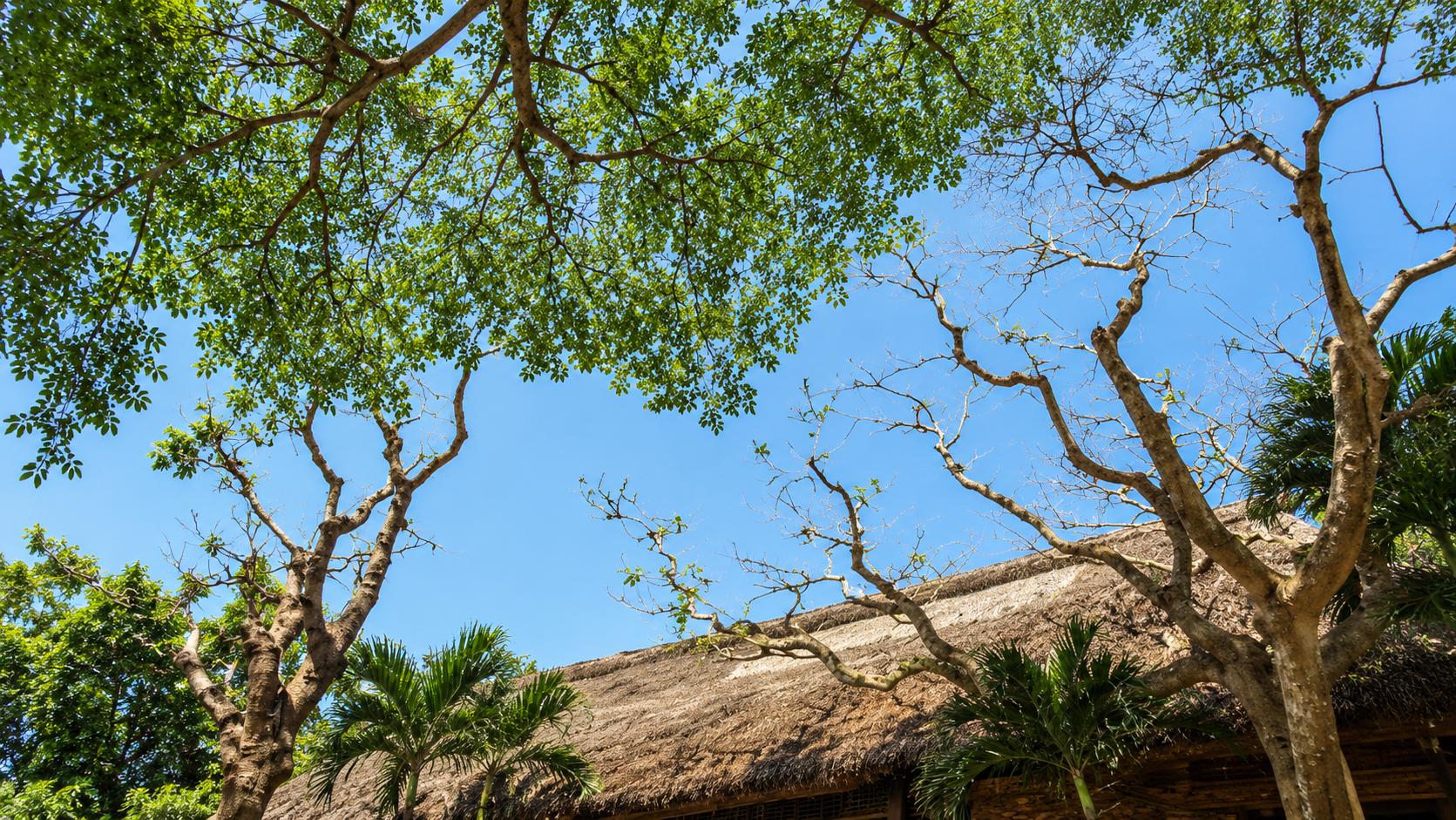
The drier months can be a practical period for routine tree maintenance because working conditions are generally more predictable.
Property owners may use this period to inspect trees and address:
Dead branches
Crossing or rubbing branches
Branches growing toward structures
Clearance issues
Structural problems
General maintenance requirements
However, dry-season pruning does not mean that a tree should be heavily cut back.
Healthy trees should retain an appropriate amount of live canopy. Removing excessive branches can create unnecessary stress and may negatively affect the tree's structure.
Rainy Season
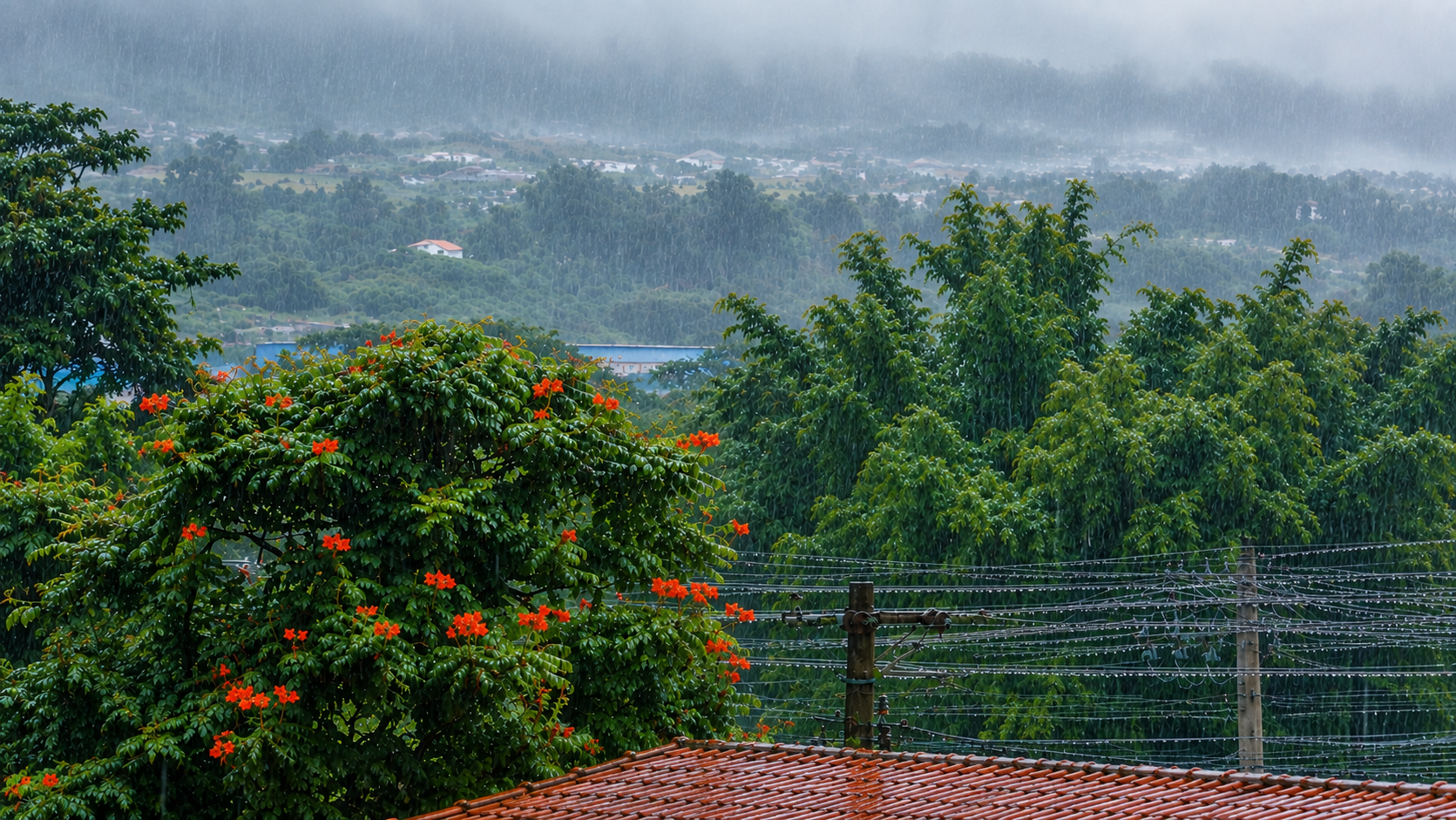
During periods of heavy rain, thunderstorms, or strong winds, tree work can become more hazardous.
Wet surfaces, unstable soil, reduced visibility, and electrical hazards can increase the risks associated with pruning.
For routine pruning, it is generally better to choose a period of safe and stable weather.
But there is an important exception.
If a tree has suffered storm damage and contains a dangerous hanging or broken branch, waiting for the dry season may not be appropriate. The tree should be assessed based on the level of risk.
What About Pruning Before or After a Typhoon?
This is particularly important in the Philippines.
Typhoons and strong storms can cause branches to break, trees to lean, and large limbs to fail. Some property owners believe that cutting large portions of a tree before a storm will automatically make it safer.
Heavy or indiscriminate pruning is not a reliable way to storm-proof a tree.
Instead, trees should be inspected for potential structural problems before severe weather, including:
Dead branches
Broken branches
Hanging limbs
Weak or defective branch unions
Large branches over buildings
Visible cracks or splits
Significant trunk defects
Trees with serious leaning conditions
After a major storm, trees should also be inspected for newly developed hazards.
If a large branch is hanging over a house, driveway, road, or area where people regularly pass, professional assessment should be considered.
The priority after a storm is safety first—not waiting for the next pruning season.
Young Trees Need Early Structural Pruning
Young trees are often easier to manage than mature trees, which makes early structural pruning particularly valuable.
Instead of waiting until a tree becomes large and develops major structural problems, selective pruning during its early development can help establish a stronger framework.
Depending on the species and situation, young-tree pruning may help:
Develop good branch spacing
Reduce competing leaders
Remove selected poorly positioned branches
Maintain clearance from structures
Encourage appropriate future growth
Young trees generally require relatively small and selective cuts.
The goal is not to make a young tree look perfectly shaped immediately.
The goal is to guide its future structure gradually.
Mature Trees Require More Care
Mature trees should not be treated like oversized shrubs.
A large tree may have taken decades to develop its canopy and structure. Removing large amounts of live growth can significantly change that structure and create unnecessary stress.
Before pruning a mature tree, consider:
Why does it need to be pruned?
Which branches actually need removal?
Are there visible defects?
How much live canopy will be removed?
Is the tree near a building or other important target?
Could the proposed pruning create additional structural problems?
For large mature trees, especially those located near homes, roads, schools, commercial buildings, or utilities, professional assessment is recommended.
A mature tree does not need to be made smaller simply because it is large.
Flowering and Fruit Trees Require Species-Specific Timing
Another important consideration is the tree's flowering and fruiting cycle.
Different tree species produce flowers and fruit at different times and may respond differently to pruning.
Heavy pruning at the wrong stage can potentially affect flowering or fruit production, depending on the species and where it produces flowers.
Before pruning a flowering or fruit-bearing tree, consider:
When does the tree normally flower?
When does it produce fruit?
Does it flower on older or newer growth?
Why is the tree being pruned?
How much canopy needs to be removed?
For fruit trees, pruning should be based on the species and production objectives rather than applying a one-size-fits-all schedule.
Signs Your Tree May Need Pruning
Your tree may benefit from a professional assessment if you notice:
Dead or broken branches
Hanging branches
Branches rubbing against each other
Branches growing into buildings
Branches blocking important sightlines
Branches interfering with roads or pathways
Growth around utility lines
Large branches with visible defects
Cracks or splits
Significant storm damage
Poorly attached branches
Structural imbalance
Not every one of these conditions automatically means the tree needs pruning.
Some may require monitoring, while others may require immediate attention.
The important step is determining what the tree actually needs before cutting it.
Mature Trees Require More Care
Mature trees should not be treated like oversized shrubs.
A large tree may have taken decades to develop its canopy and structure. Removing large amounts of live growth can significantly change that structure and create unnecessary stress.
Before pruning a mature tree, consider:
Why does it need to be pruned?
Which branches actually need removal?
Are there visible defects?
How much live canopy will be removed?
Is the tree near a building or other important target?
Could the proposed pruning create additional structural problems?
For large mature trees, especially those located near homes, roads, schools, commercial buildings, or utilities, professional assessment is recommended.
A mature tree does not need to be made smaller simply because it is large.
Avoid Tree Topping
One of the most common mistakes in tree care is topping—removing large portions of the tree's crown to drastically reduce its height.
Topping can leave large wounds, severely alter the tree's natural structure, and encourage poorly attached regrowth.
It is not a substitute for proper pruning.
Professional pruning should instead focus on a clearly defined objective, such as:
Crown cleaning
Structural pruning
Clearance pruning
Selective reduction when appropriate
Removal of defective branches
If a tree has become too large for its location, repeatedly cutting the top may not solve the underlying problem.
The better solution may involve structural management, site modification, or evaluating whether the tree is suitable for the location.
When Should You Call a Professional?
Some pruning work can be straightforward, but larger or more complex trees can present significant safety risks.
Consider professional assessment when:
The tree is large or mature
Branches are close to electrical lines
Large branches are over a house or structure
The tree has storm damage
The tree is leaning significantly
There are visible cracks or splits
Large branches are hanging or broken
You are unsure which branches should be removed
The tree requires climbing or specialized equipment
Professional tree assessment can help determine whether pruning is necessary, what type of pruning is appropriate, and how the work should be carried out safely.
The Right Time to Prune Is About More Than the Calendar
Some pruning work can be straightforward, but larger or more complex trees can present significant safety risks.
Consider professional assessment when:
The tree is large or mature
Branches are close to electrical lines
Large branches are over a house or structure
The tree has storm damage
The tree is leaning significantly
There are visible cracks or splits
Large branches are hanging or broken
You are unsure which branches should be removed
The tree requires climbing or specialized equipment
Professional tree assessment can help determine whether pruning is necessary, what type of pruning is appropriate, and how the work should be carried out safely.
Is Your Tree Ready for Pruning?
If you are unsure whether your tree needs pruning—or when the work should be done—start with an assessment.
At Native Ground, we help property owners throughout Metro Manila, Laguna, Cavite, and Batangas better understand and manage their trees through professional assessment, planning, and tree care services.
Whether you have a young landscape tree, a mature tree near your home, a fruit-bearing tree, or storm-damaged branches, understanding the tree's condition is the first step toward making the right decision.
Before you prune, understand your tree.
Contact Native Ground to discuss your tree assessment and pruning needs.
Reference
International Society of Arboriculture. Best Management Practices—Pruning.
Department of Environment and Natural Resources – Forest Management Bureau. Guidelines and regulations relating to tree cutting, trimming, and pruning in the Philippines.
Department of Environment and Natural Resources – Forest Management Bureau. Technical guidance on tree cutting, trimming, and pruning within transmission line areas.
Why Timing Matters
Schedule your tree pruning with total confidence. Proper timing ensures your palms, fruit trees, and shade canopies withstand intense heat and tropical storms—without the risk of decay, pests, or falling hazards.
The Native Ground Advantage Un-timed pruning before heavy typhoons or peak humidity can cause structural shock, fungal infections, and storm damage. At Native Ground, our certified arborists align pruning with natural growth cycles and local forestry guidelines to keep your property safe and compliant.
Give your land’s canopy the expert seasonal care it deserves before storm season hits.